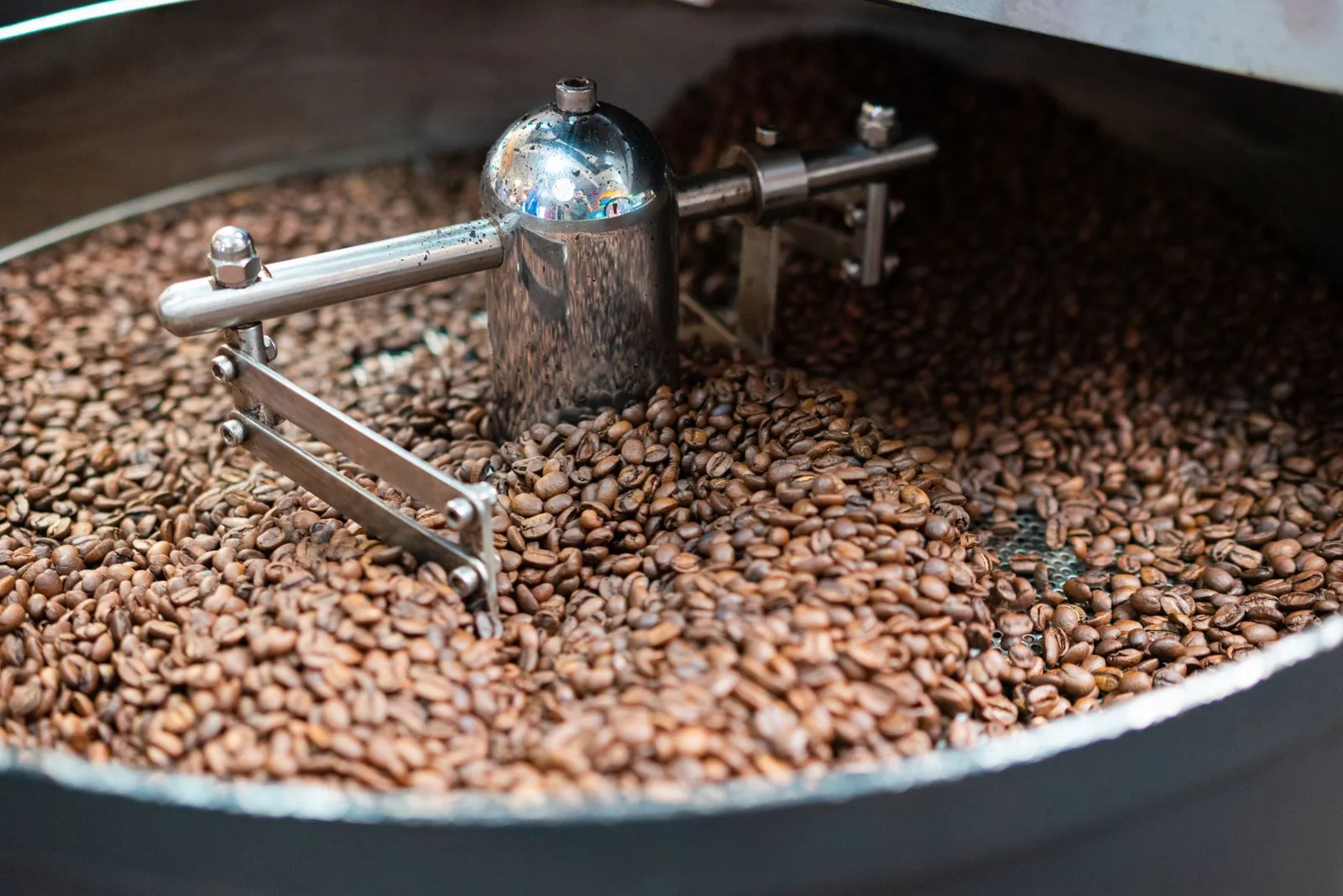
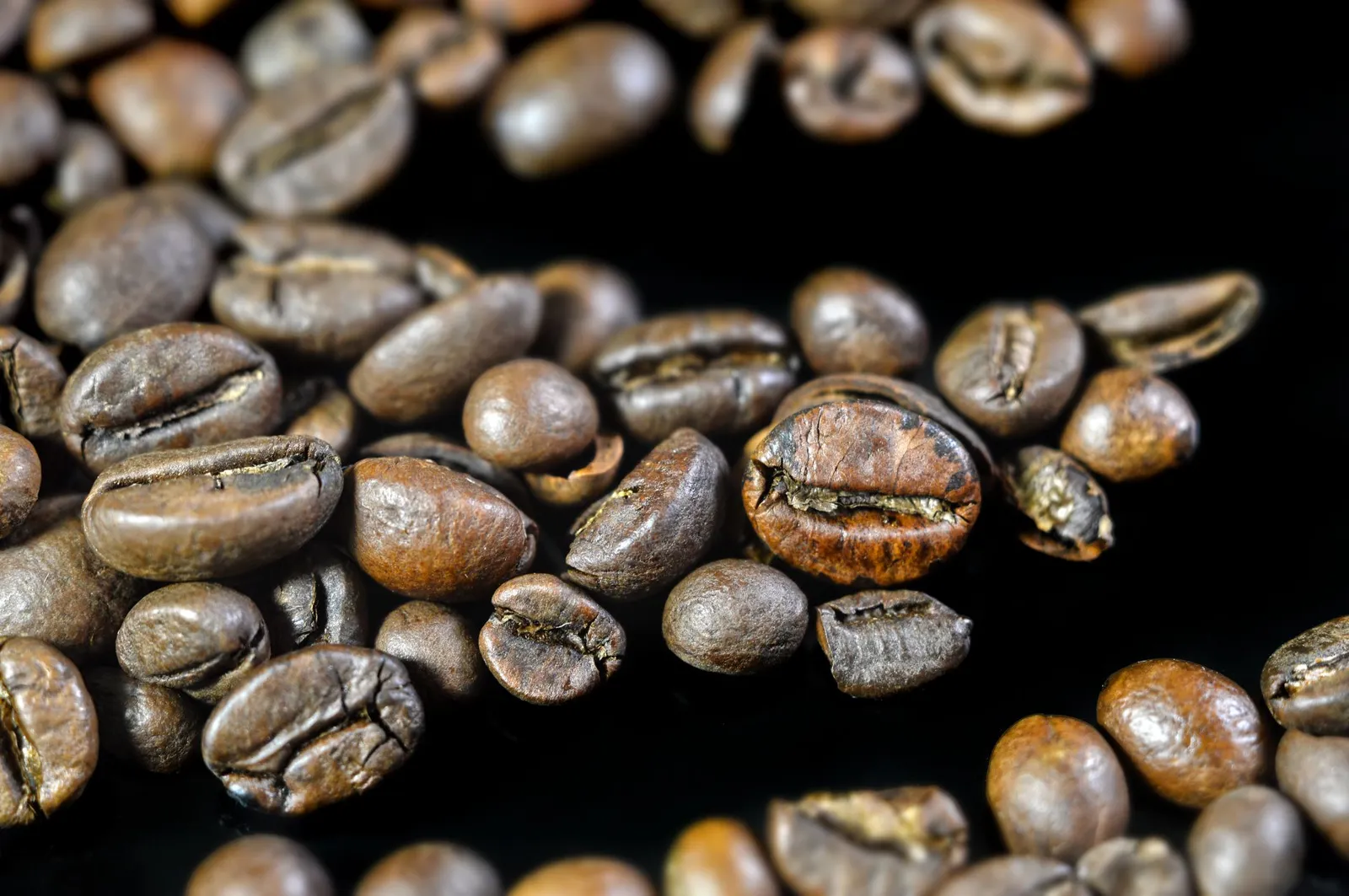
Roasting drives carbon dioxide into the bean. For the first few days after a roast, that gas leaves quickly. Inside a sealed bag it creates a slow hiss; inside a portafilter it interferes with water moving evenly through the puck. The result is an espresso that can look spectacular — dark, striped, generous crema — and taste thin, sharp or oddly ashy underneath.
Our house espresso spends five to seven days in the bag before it is dispatched. Filter coffee leaves a little sooner, usually after three days, because the brewing method is more forgiving of a lively bean. These are not rules handed down from a mountain. They are the windows that have worked for the lots we buy, checked by tasting rather than by calendar alone.
What resting actually changes
After a week, extraction becomes more even. Sweetness moves forward, acidity settles into shape rather than jumping out first, and the crema tightens. A natural Ethiopian may still be bright on day seven; a washed Colombian may be round by day five. We cup each production batch on day one and again before dispatch, and we write the roast date on the bag so you can follow it yourself.
Rest is not a shelf life. It is a short, useful pause — after which the coffee should still have somewhere to go.
If your delivery arrives more lively than expected, resist the urge to change three things at once. Keep the dose steady, grind a touch coarser, and taste again the next morning. Our starting recipe for the house espresso is 18 g in, 36 g out, in 27–30 seconds at 93°C. Treat it as a place to begin, not a target to defend.
Coffee does not improve indefinitely. Filter is usually at its best between four and six weeks off roast; espresso between two and four. Buy what you will drink, and keep the bag sealed between uses.